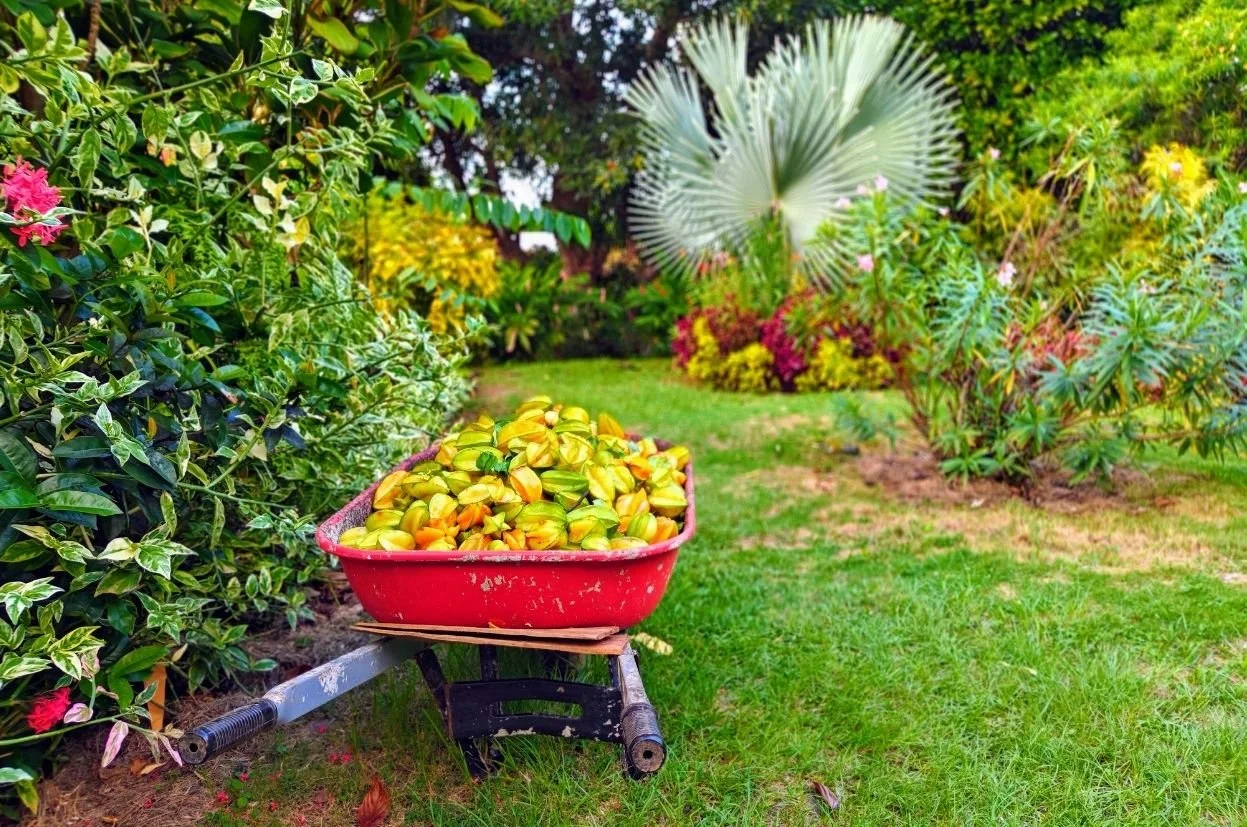
Our Créole garden
FloraAs you visit the chocolate factory, you will see a wide variety of trees and herbs commonly used in Dominica.
There are at least 50 species of herbs, plants and trees that we use in our chocolates, our food or as medicine. Some of them we planted, and the other grow wild - which we encouraged. Most of them thrive happily without much assistance from us.
A jardin créole or creole garden is a traditional mulilayered agricultural system of plants, trees and herbs. With ties to Kalinago, African and European planting techniques, it is a self sustaining system creating a food, medicinal and ornamental space for daily use.
After the visit, you are most welcome to take your time and scan some of the plants we labelled with a QR code. These codes will direct you to the following illustrations, descriptions and uses.
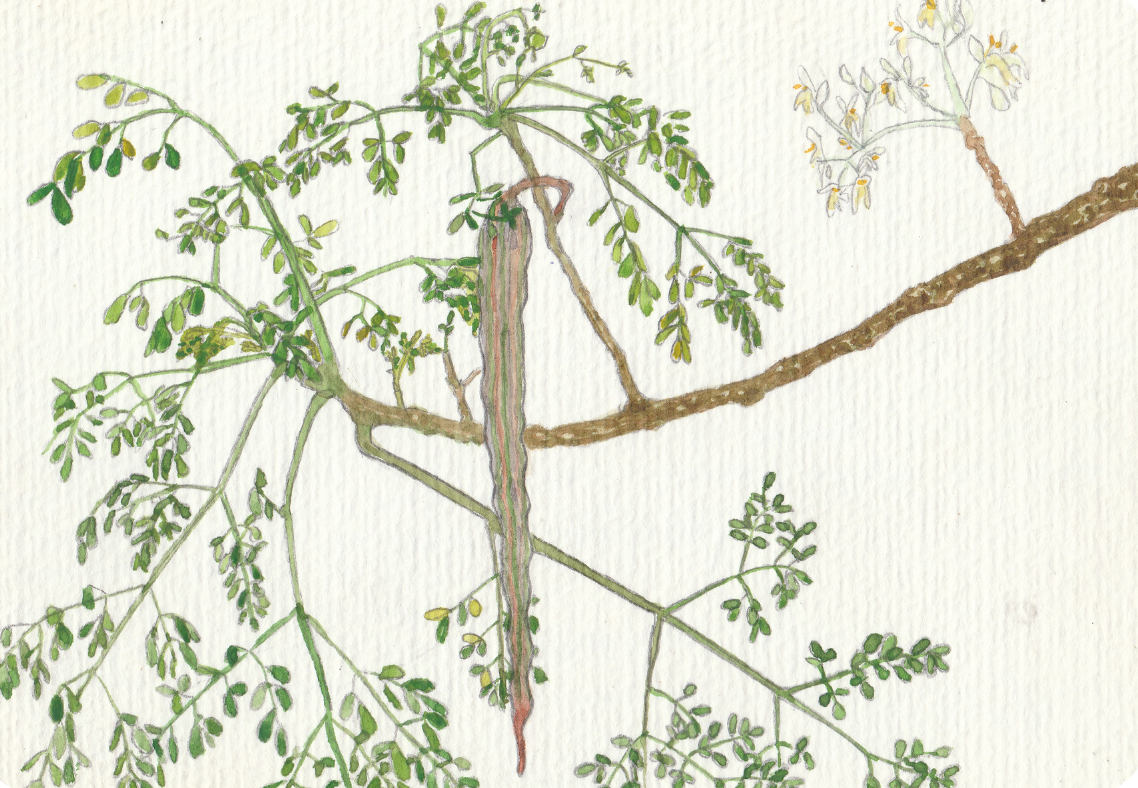
Moringa
Moringa oleifera
COMMON NAMES
The "miracle tree" or "tree of life" due to its numerous nutritional and medicinal properties.
ORIGIN
Native to the subtropical regions of India, it arrived in the Caribbean in the 19th century. It has now acclimatised to almost all tropical regions and grows very quickly to a height of 10 to 12 meters.
USES
All parts of this tree can be used: leaves, pods, seeds, bark, roots, and flowers for medicinal, nutritional, culinary, and cosmetic purposes. With its unique combination of antioxidants, amino acids, and essential nutrients (rich in protein, vitamins A, B, and C, as well as minerals such as iron and calcium), Moringa is often promoted as a superfood.
In Dominica
It is traditionally used as a herbal tea, soups and curries.
Moringa leaves, which are particularly nutritious, were very useful after Hurricane Maria in 2017.
CAUTION
Contraindicated for diabetics and hypoglycemics because moringa lowers blood sugar levels.
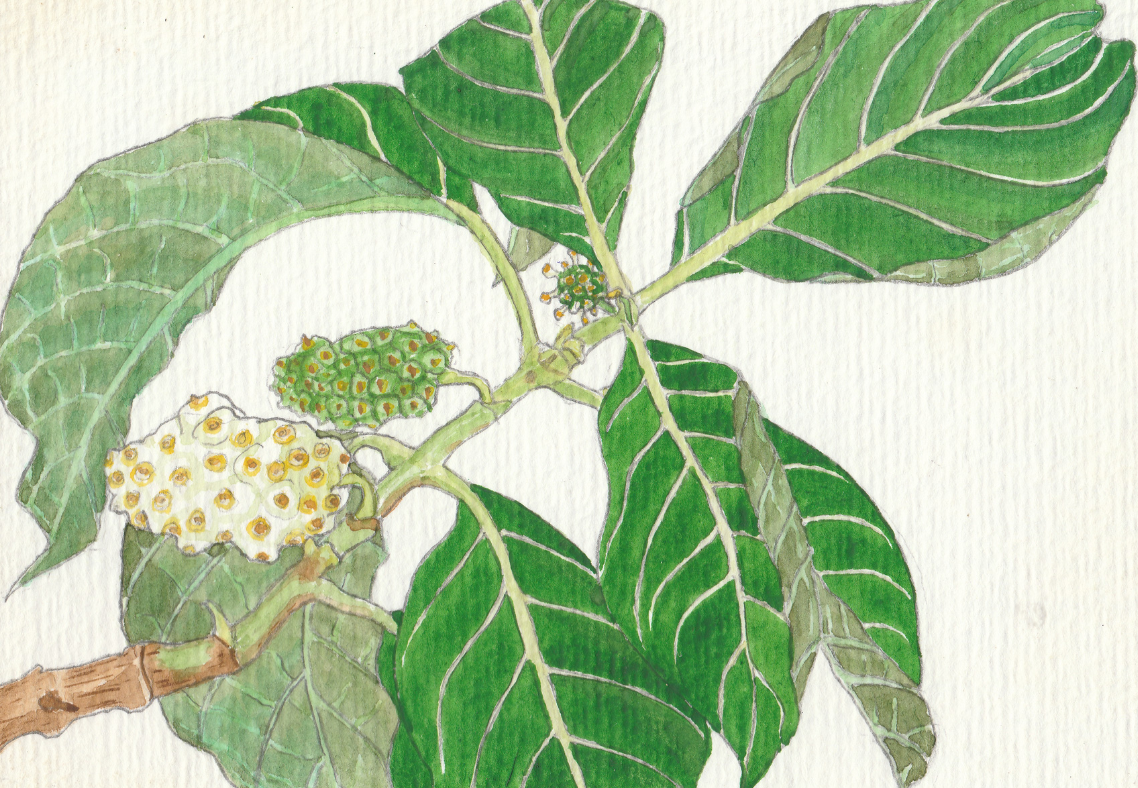
Noni
Morinda citrifolia
COMMON NAMES
Nono, vomit fruit, fèy fwèt, cowosol dyab because of its pungent smell
ORIGIN
Originally from the Pacific, it reached the Caribbean in the 18th century. Likes volcanic soils.
USES
Traditionally, noni has been used to treat the common cold, bacterial infections, fevers, and gastrointestinal problems. The plant’s roots, stem, bark, leaves, flowers, and fruit have all been used medicinally.
Today, noni is promoted as a dietary supplement for immune system health, digestive health, strength and energy, ageing skin, and other conditions.
In Dominica
It is generally used as a macerated juice.
WARNING
Not recommended for pregnant women as it is traditionally used in Polynesia to induce abortion.
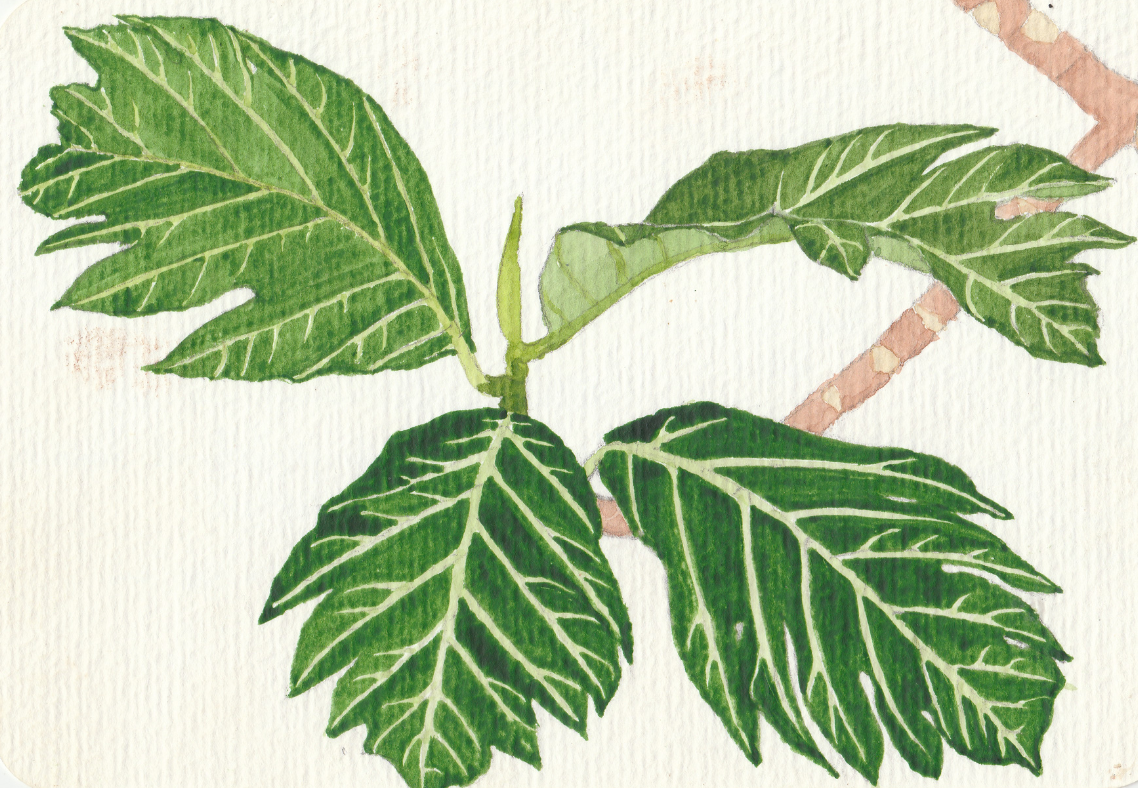
Breadnut
Artocarpus camansi
COMMON NAMES
Gwennpen, larbapain or châtaigne pays.
ORIGIN
Native to Oceania, the breadnut and its cousin, the breadfruit, travelled to the Caribbean in the 18th century.
USES
It has become a staple food in many Caribbean regions, with culinary preparations that are highly varied and specific to each culture.
In Dominica
The seeds, once boiled (sometimes with sweetened milk and cinnamon), are eaten as it is or used as a side dish.
The taste is similar to that of the European chestnut.
PROPERTIES
Properties: Rich in protein and amino acids, including histidine, a necessary source for libido.
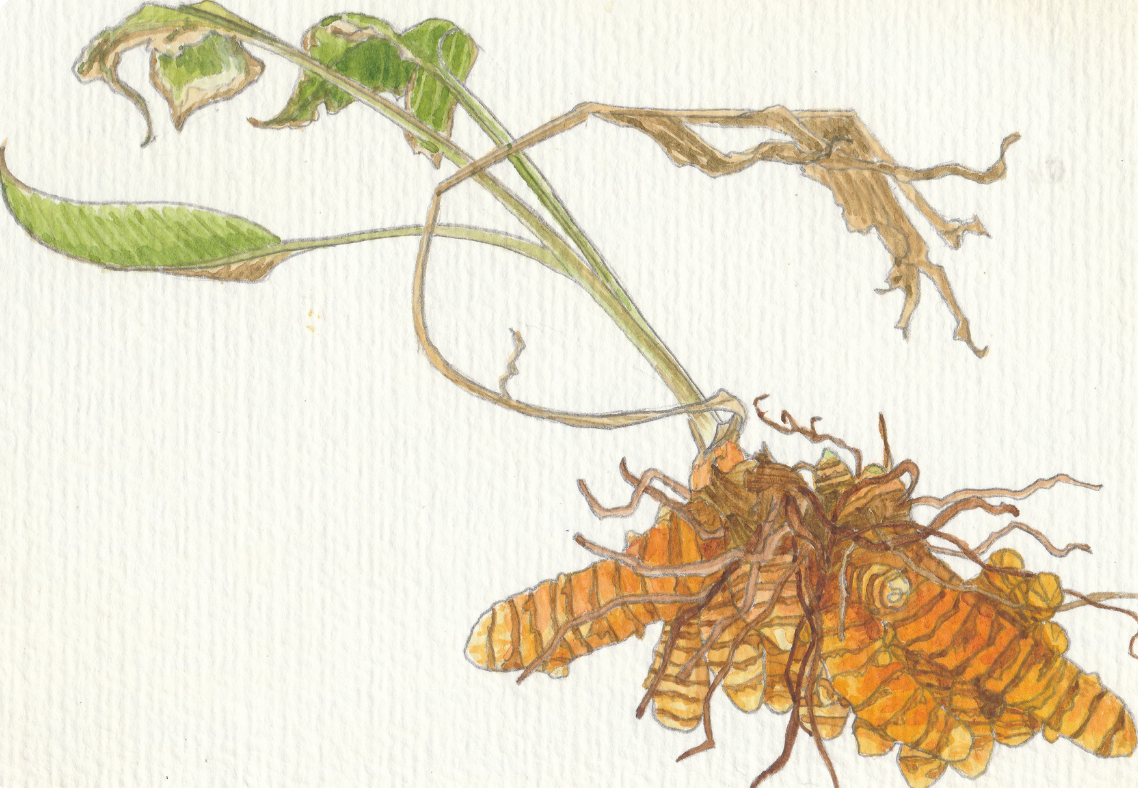
Tumeric
Curcuma longa
COMMON NAMES
Safwan, Tumeric ginger.
ORIGIN
Native to Southeast Asia, it has been cultivated in India since ancient times and is recognised for its 500 virtues. Turmeric was brought by Indian immigrants in the 19th century.
It is a perennial, herbaceous plant with short stems that can reach a height of one meter. It has numerous rhizomes: the mother turmeric is used more for its medicinal properties, while the "fingers" that branch from this central root are more commonly used in cooking.
USES
The rhizomes can be consumed as juice, grated, or powdered, but also as poultices to treat certain skin conditions.
Turmeric is known for its antioxidant and anti-inflammatory properties.
It is recommended to add pepper and ginger to enhance its medicinal properties.
In Dominica
Used as a spice and in herbal tea.
PROPERTIES
Properties: Rich in protein and amino acids, including histidine, a necessary source for libido.
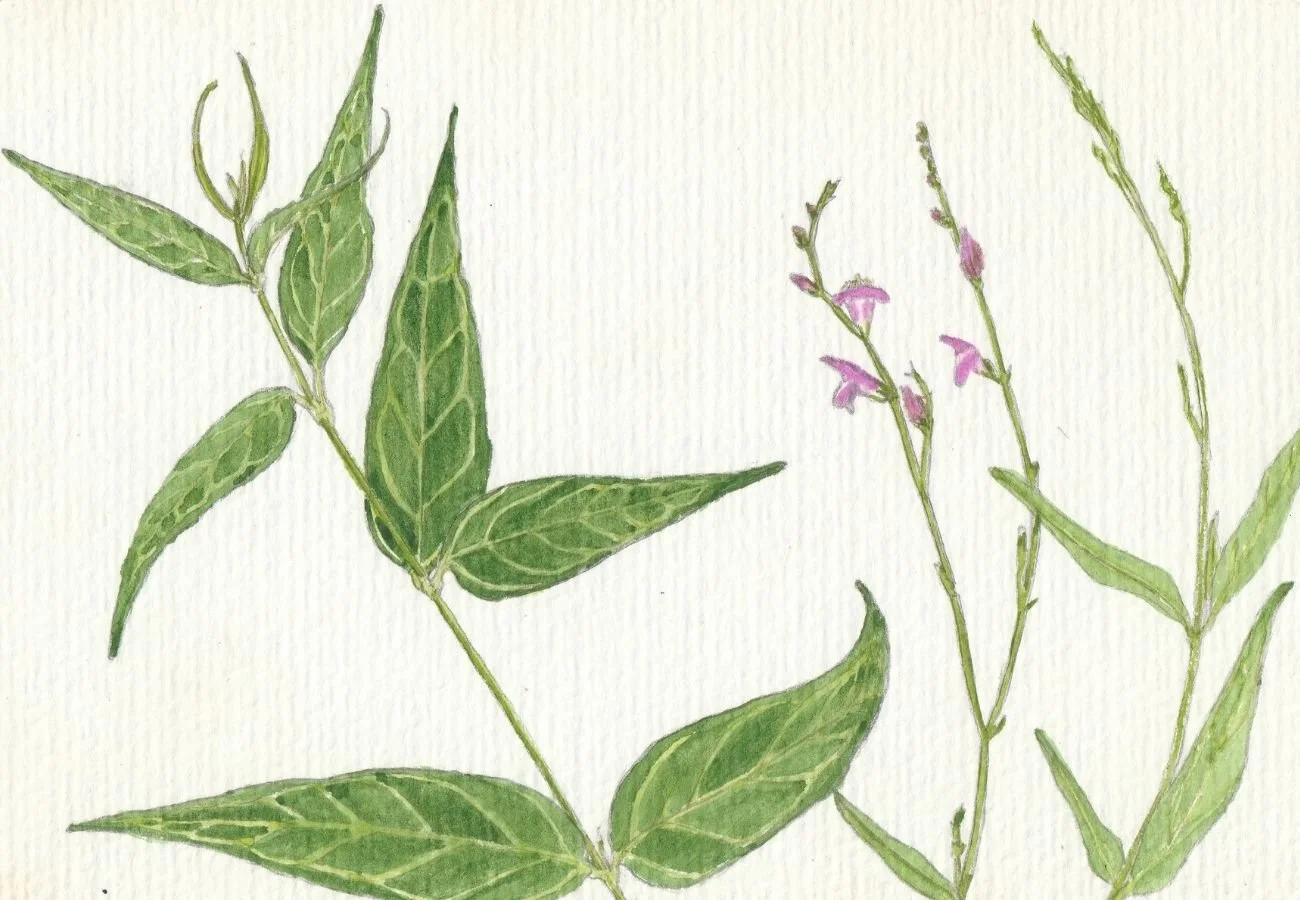
Carpenter’s Grass
Justicia pectoralis,
COMMON NAMES
zeb chapantyé, (garden balsam)
ORIGIN
Native to tropical America, it is a perennial herb that blooms continuously.
USES
It has numerous medicinal properties, including analgesic, anti-inflammatory, and antispasmodic effects.
It is traditionally used to treat pain (menstrual and muscular) and respiratory problems such as coughs and asthma. Carpenter's syrup was recognized during the time of slavery as a pectoral syrup.
Used as a poultice, it treats wounds and bruises thanks to its healing and anti-edematous properties.
It is also used as a general tonic and has sedative effects on the nervous system. It is often used as an ingredient in the hallucinogenic preparation of ayahuasca.
In Dominica
Used in decoctions and poultices.
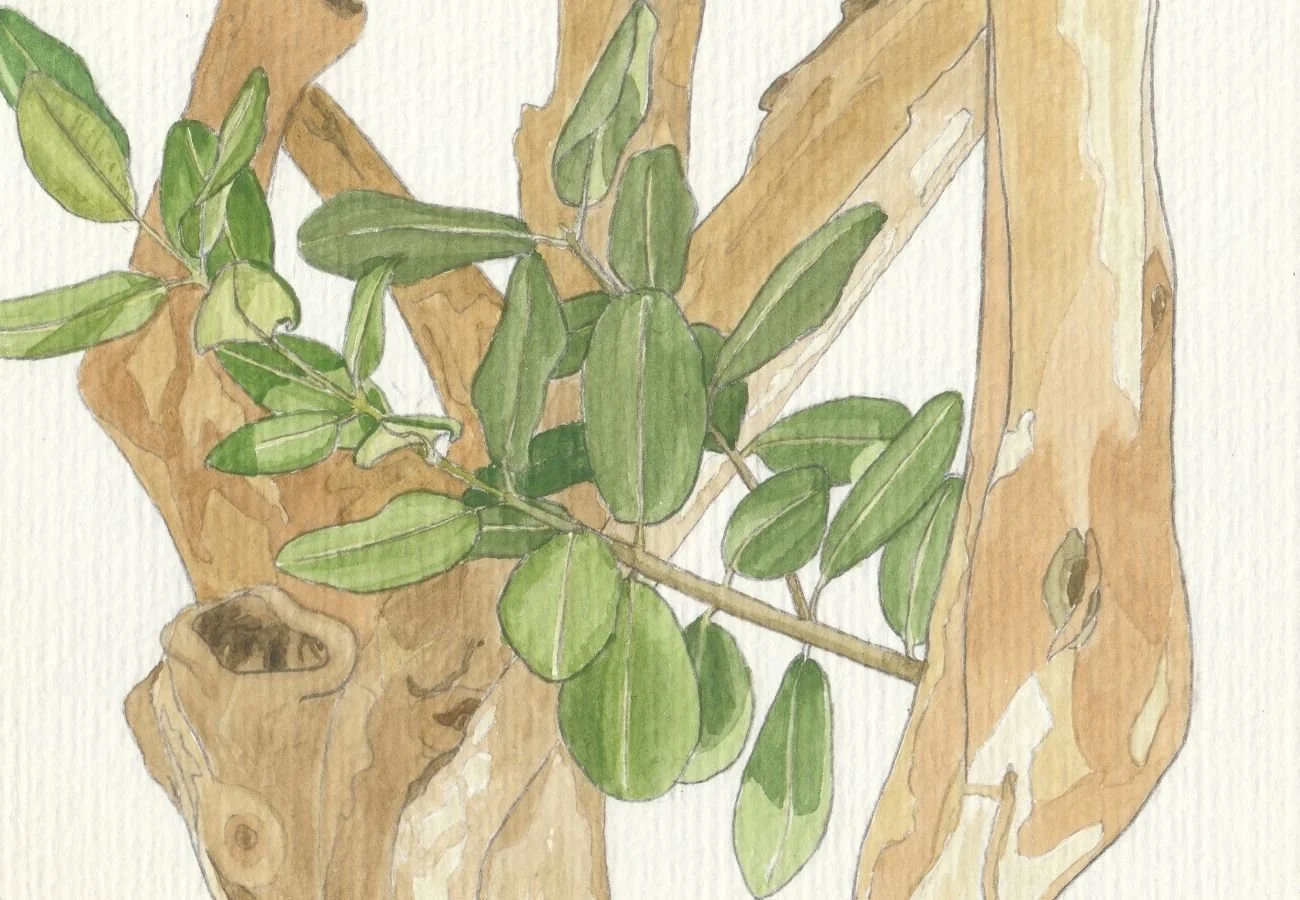
Bay Leaf
Pimenta racemosa
COMMON NAMES
bwa den, bay rum tree.
ORIGIN
Endemic to the Caribbean and Central America.
The trees grow to about 15 meters. There are three scented varieties of bay trees : clove, lemon, anis.
Dominica is a major producer of bay trees.
USES
It is renowned for its anti-inflammatory, analgesic, stimulant, and muscle-relaxing properties.
The leaves are used in cosmetics in the form of oil (bay oil) or eau de toilette (bay-rum), in cooking to flavor dishes, and as an infusion for its digestive benefits or to treat colds.
It is also one of the ingredients in kako tea, a popular chocolate drink here.
The berries, small fruits, green at first then black when ripe, are very aromatic and are used as a spice in Caribbean cuisine. It is nicknamed Jamaican pepper.
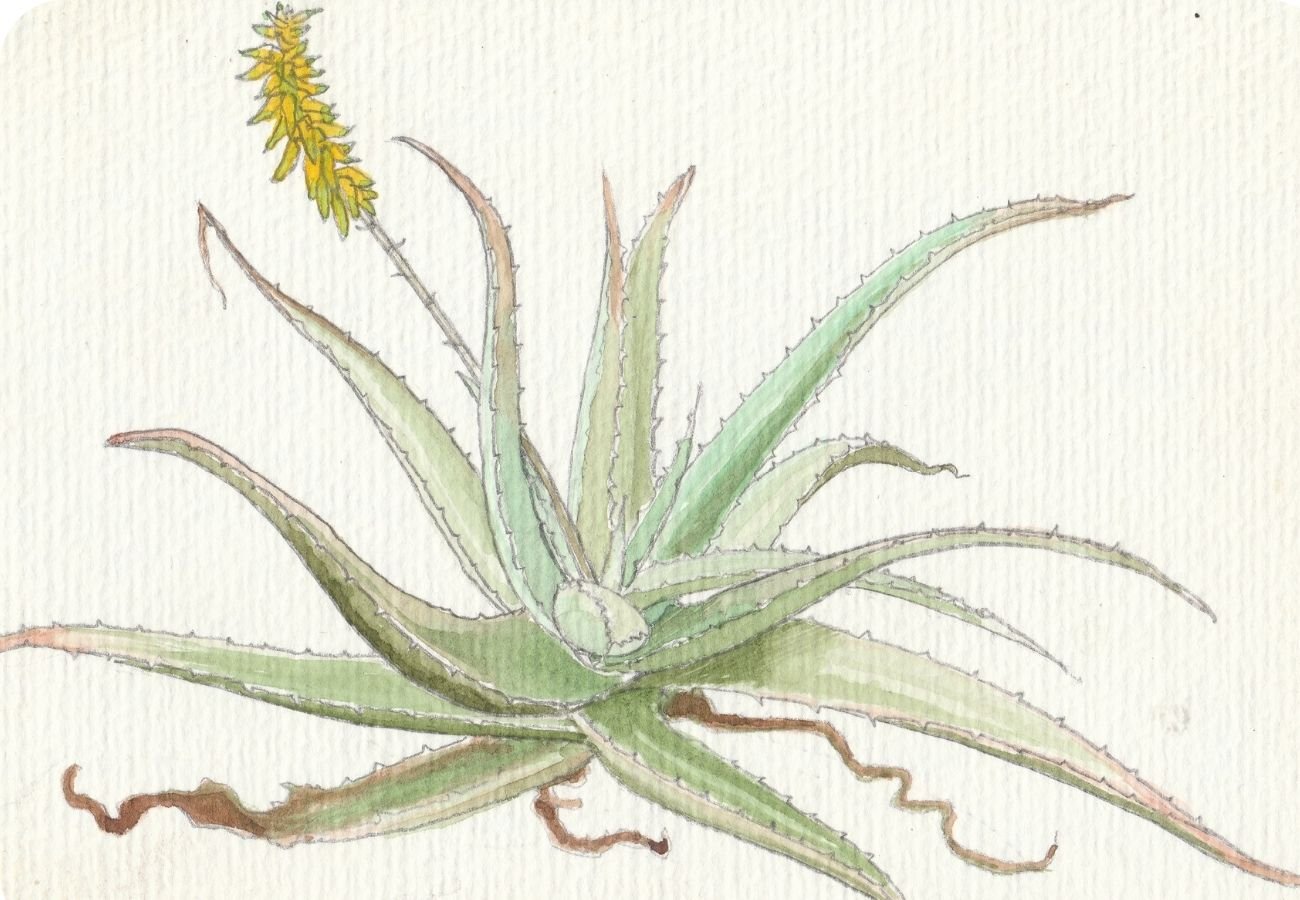
Aloe Vera
Aloe barbadensis
COMMON NAMES
alwè or lalwè in Creole.
ORIGIN
Native to the Middle East, Aloe was brought to the Caribbean by the Spanish and the Dutch in the late 16th century.
It is a perennial succulent plant growing up to 50 cm tall.
USES
Aloe vera gel is used in cosmetic and medicinal applications. It is known for its healing, anti-inflammatory, and regenerative properties. It also helps strengthen the immune system.
The latex has laxative properties.
In Dominica
The pulp is used in direct contact with the skin and hair.
CAUTION
Aloe latex can be toxic if consumed excessively; it is also classified as a possibly carcinogenic substance.
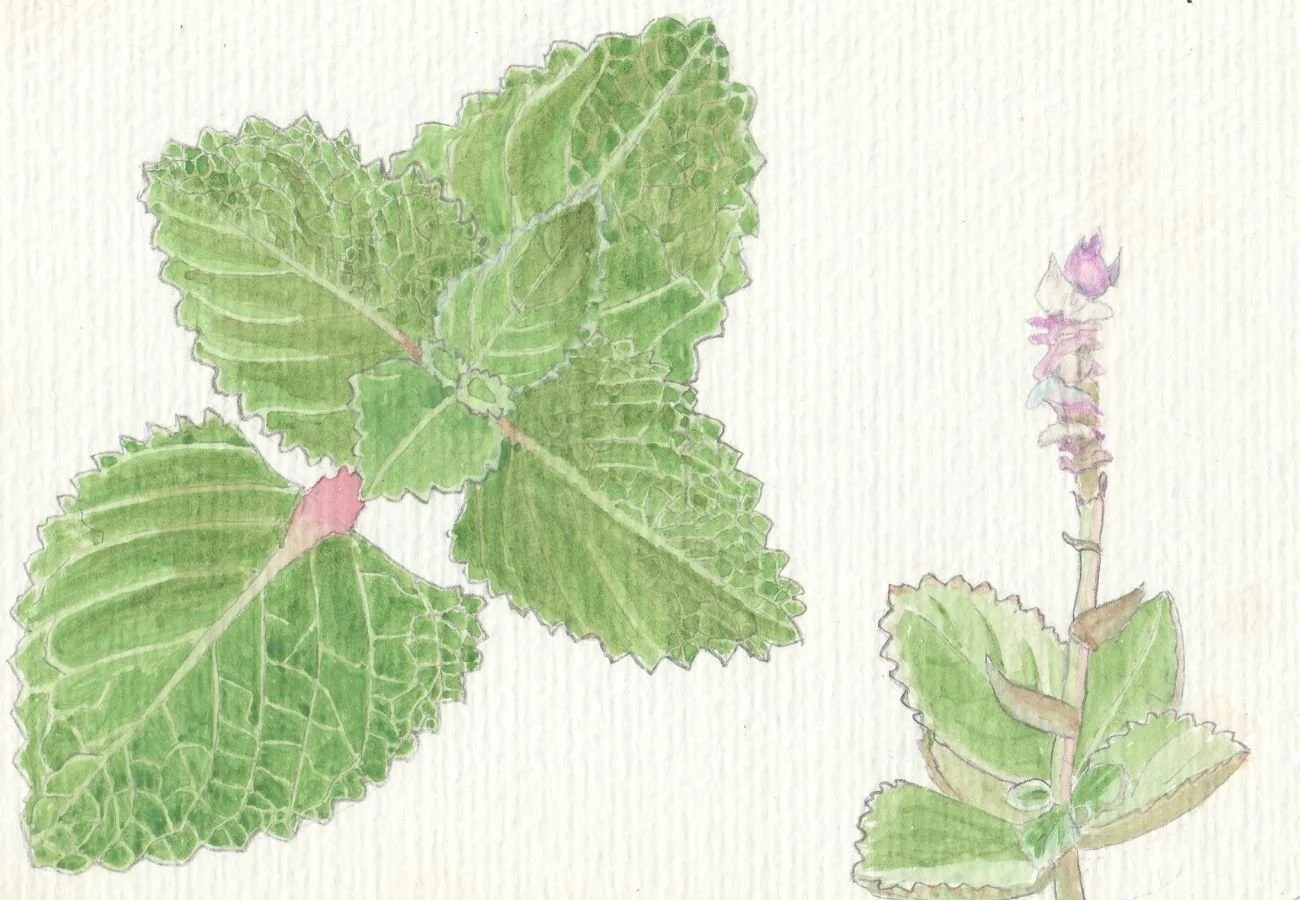
Big thyme
Coleus amboinicus
COMMON NAMES
gwo (di)ten
ORIGIN
Native to Africa and is now widespread and cultivated throughout tropical regions of the globe.
USES
The aromatic leaves, reminiscent of thyme and oregano, are an excellent ingredient in meat and fish stuffings.
The plant contains thymol, which acts as an intestinal disinfectant and restores/balances the intestinal flora. It is also a good natural ally when fighting bronchitis or relieving asthma.
In Dominica
It is generally used in herbal tea and as a herb for cooking.
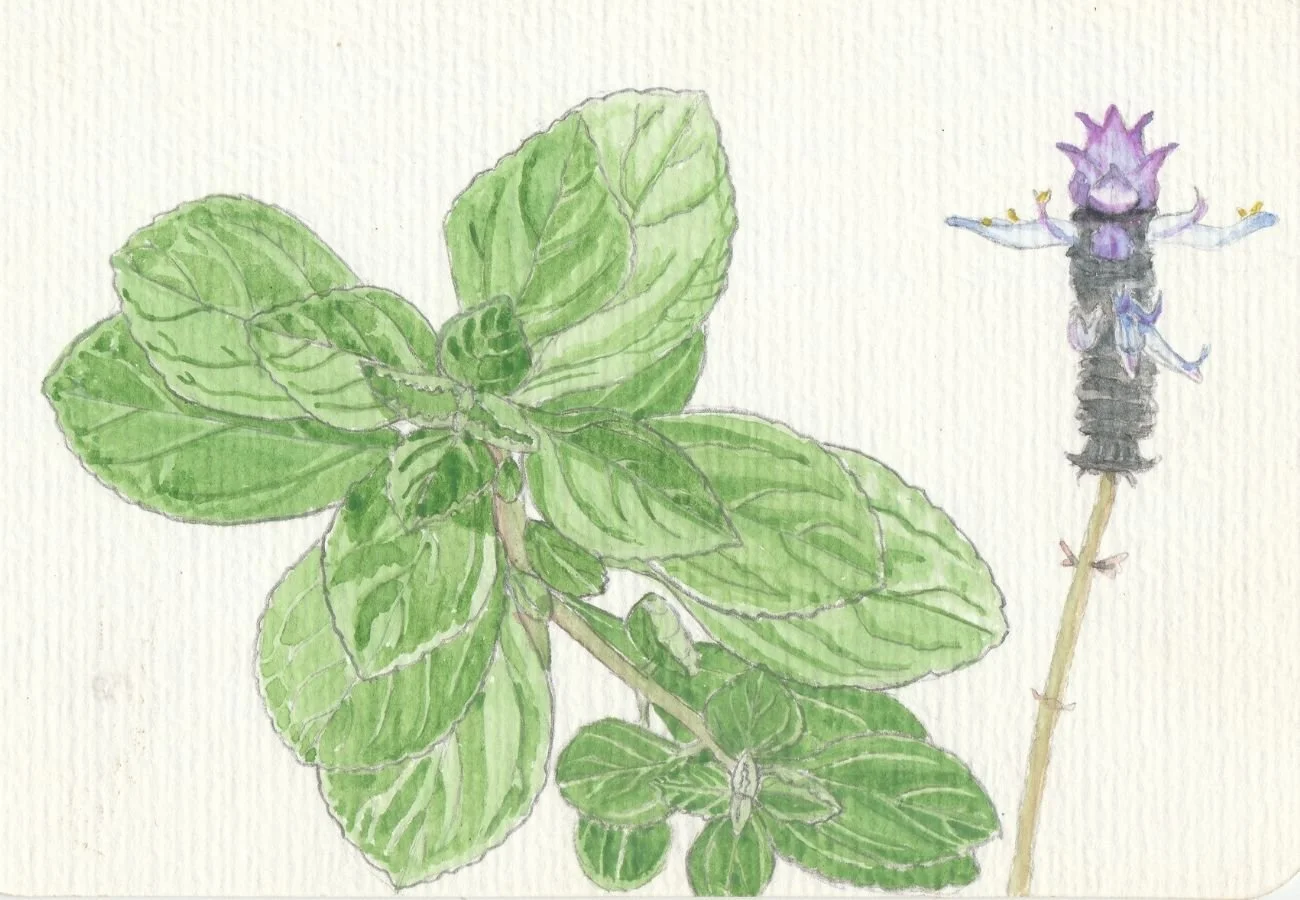
Doliprane
Plectranthus barbatus
COMMON NAMES
Doliprane Plant and Efferalgan Plant
ORIGIN
Native to East Africa and India, it is believed to have arrived in the Caribbean during the colonial era.
This tropical perennial plant belongs to the Lamiaceae family.
USES
Pain-relieving properties similar to those of paracetamol. It is also a diuretic (also helps eliminate fat) and contributes to healthy kidney function.
In Dominica
It is used to relieve pain (headaches, toothaches), fever, rheumatism, inflammation, and digestive disorders.
The leaves can be used as an infusion, poultice, or even chewed directly to soothe pain.
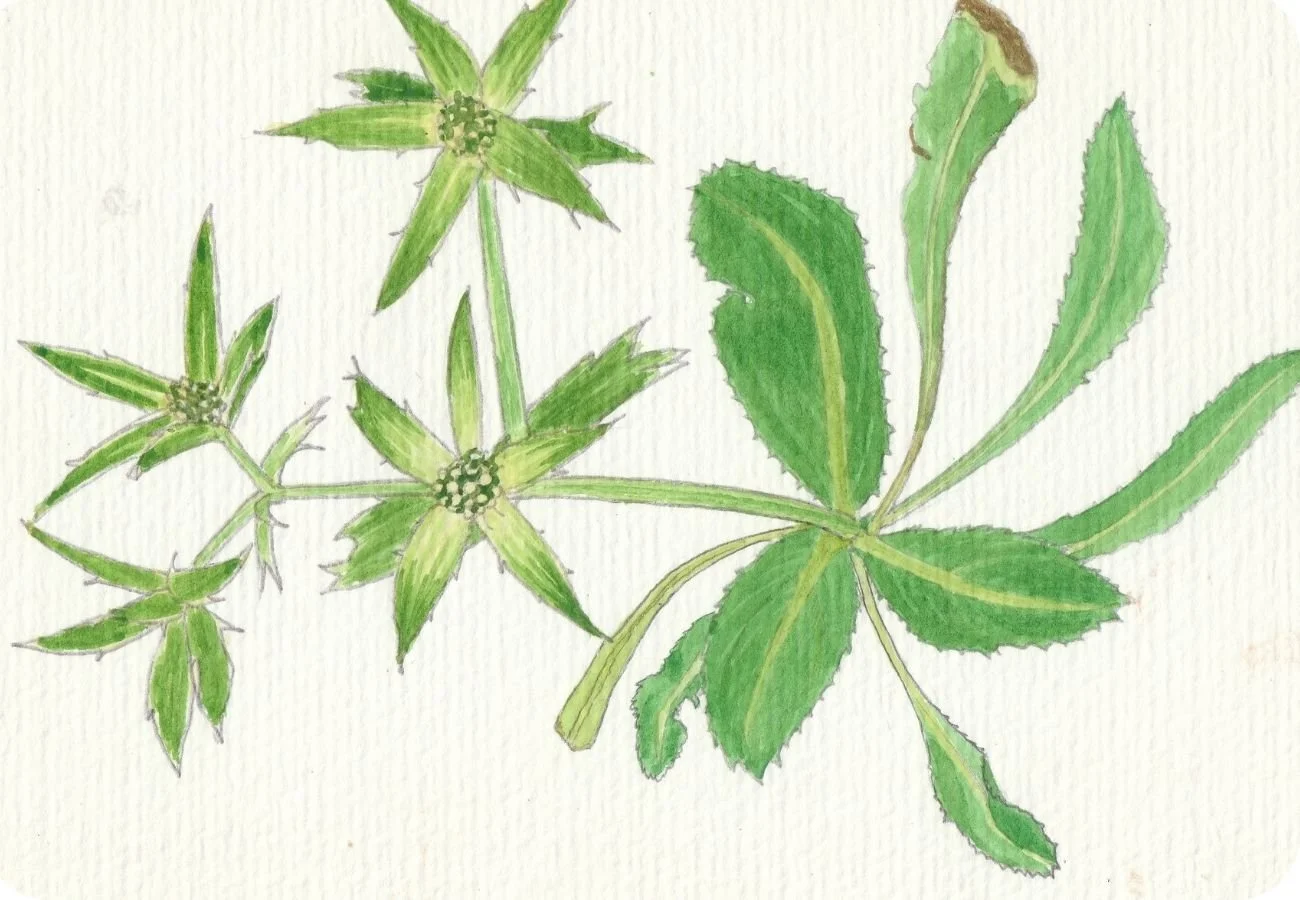
Tchouc-tchouc
Eryngium foetidum
COMMON NAMES
E. antihystericum, long coriander, or chadwon béni and zèb a fè in Creole.
ORIGIN
Native to the West Indies and tropical America.
It is a fragrant herbaceous perennial plant of the Apiaceae family.
USES
Used as a herb, its flavor is similar to that of coriander.
It is believed to have anti-inflammatory, analgesic, and antiepileptic properties.
In Dominica
Mainly used in cooking as a herb and in traditional medicine for fevers and colds.
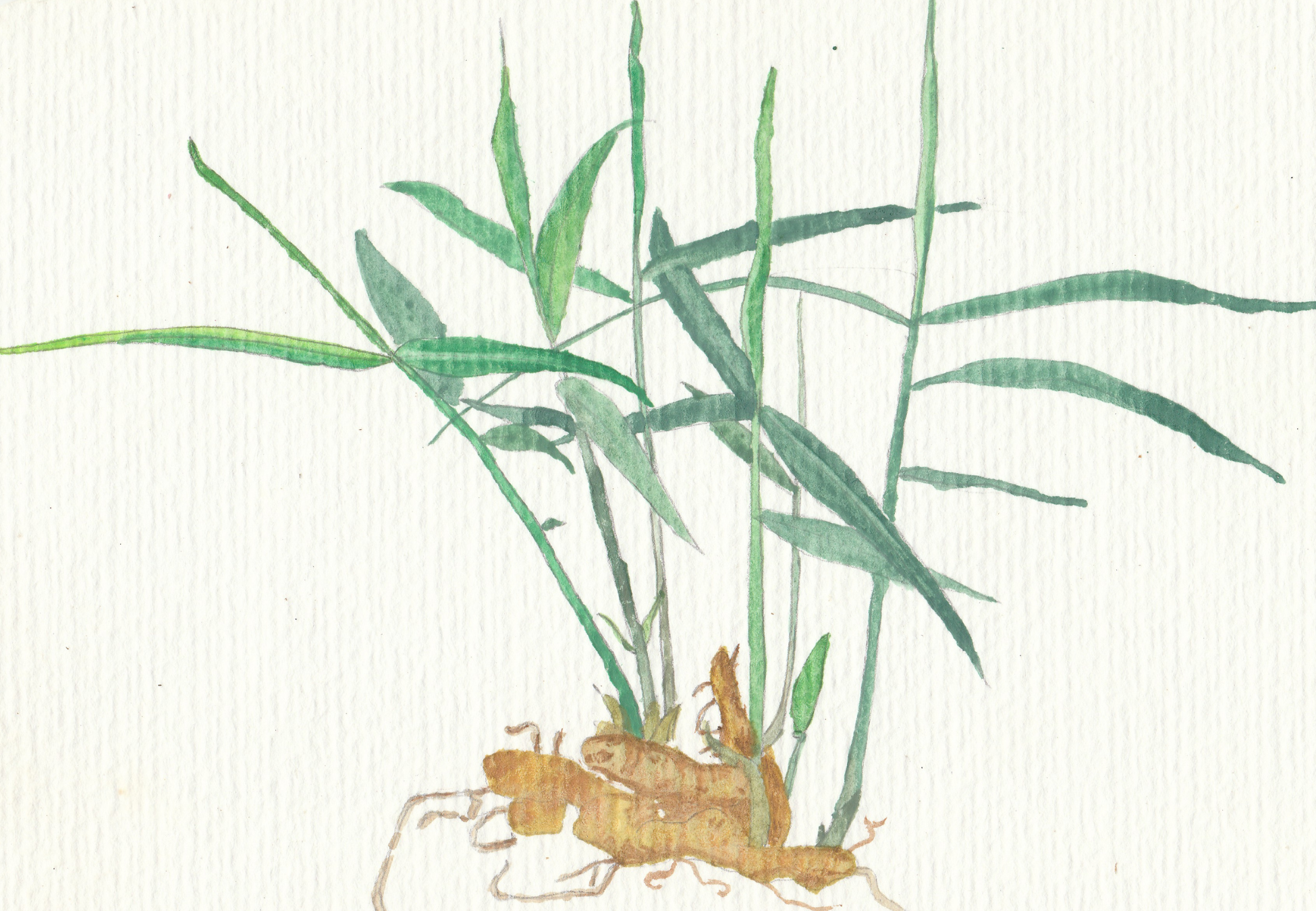
Ginger
Zingiber officinale
COMMON NAMES
Jenjanm
ORIGIN
Native to Southeast Asia, it was introduced to the West Indies by Spanish colonists in the 16th century.
Ginger is a tropical perennial herb, about 1 meter tall, from the same family as turmeric.
USES
The rhizomes have been used as a spice and medicinal plant for thousands of years.
The benefits of ginger for the entire body are numerous and varied: it aids digestion, relieves nausea, is an excellent antioxidant, anti-inflammatory, and is also known for its antidiabetic and pain-relieving properties. Ginger is a good natural tonic that boosts immunity.
In Dominica
In herbal teas for its medicinal properties.
It is consumed fresh, dried, powdered, in juice, syrup, or oil, and is appreciated in a wide variety of savory and sweet Caribbean cuisine.
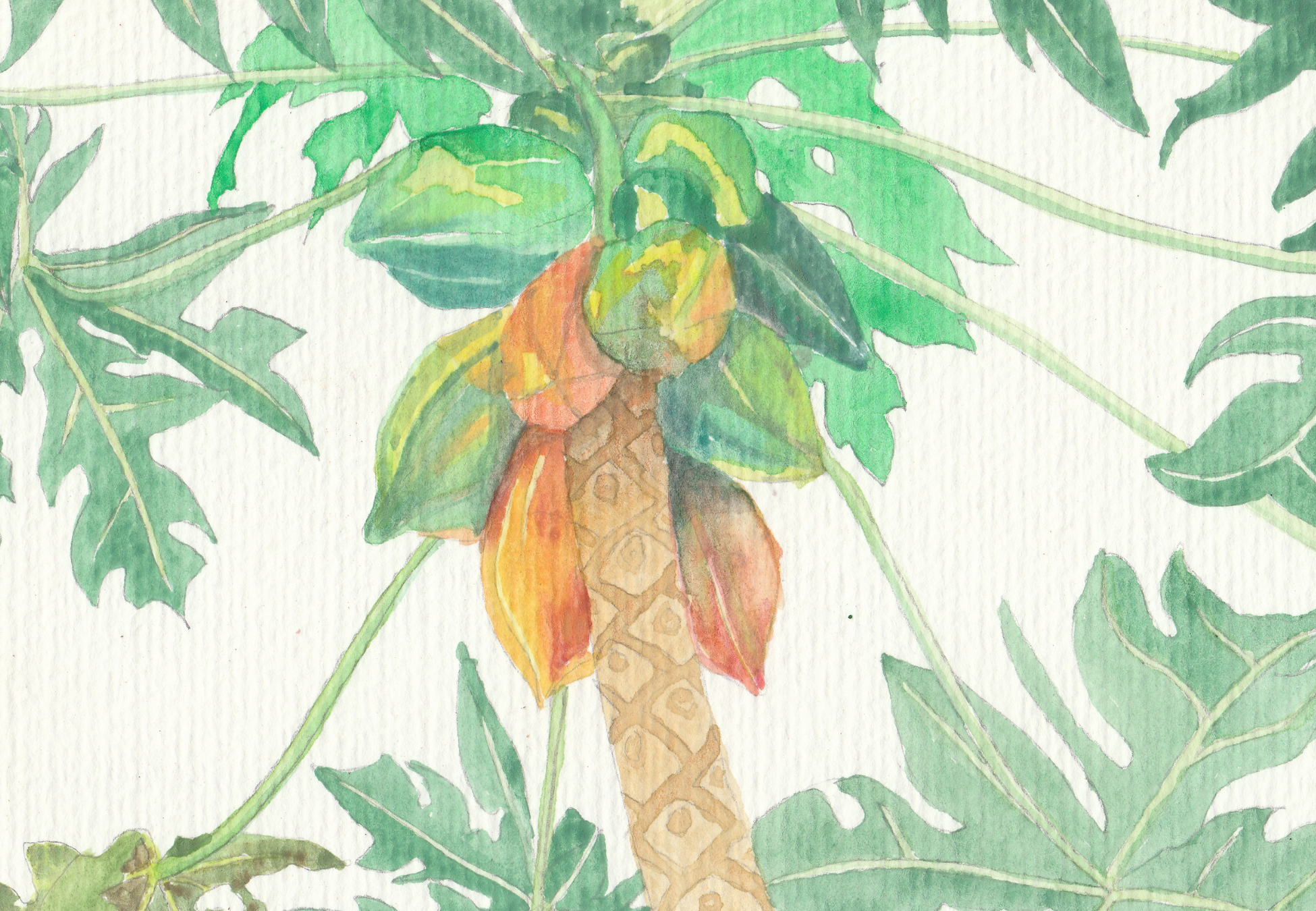
Pawpaw Tree
Carica papaya
COMMON NAMES
Papaya, popo and papay
ORIGIN
Native to Mexico and tropical America.
Rising to 3 to 10 meters, it has a short lifespan: around 4 years.
USES
Used industrially, for food, and for medicinal purposes through the latex, leaves, fruit, or seeds. The fibers from the stems and bark can even be used to make rope.
Papayas are rich in papain and vitamins. The seeds, dried and then ground, can replace black pepper.
In the West Indies, the Kalinago used the green fruit as a poultice for local inflammation and gastrointestinal disorders. Also used externally, the crushed fruit is applied to boils and abscesses. The latex, applied in the form of a hydrogel to burns, promotes healing.
Throughout the Caribbean, the seeds and latex are recommended as a dewormer. The fruit juice or an infusion of the leaves or flowers is recommended for liver disorders.
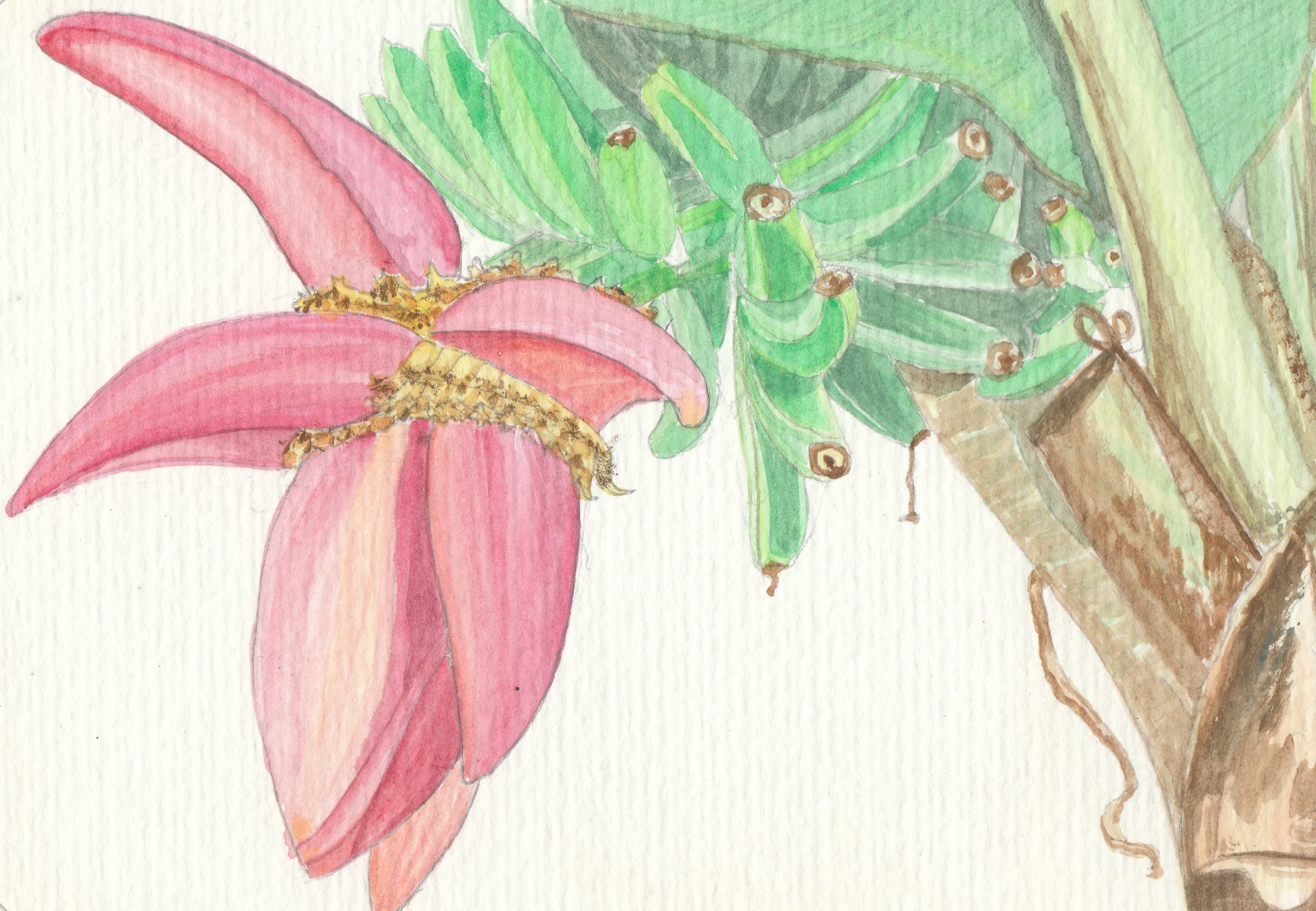
Banana Tree
Musa paradisiaca
COMMON NAMES
Fig or poyo.
ORIGIN
Native to Southeast Asia, it reached the Caribbean in the early 16th century with Portuguese and Spanish explorers.
Now present in all tropical regions, the banana is the most widely cultivated fruit on our planet.
There are a wide variety of bananas in Dominica: plantain, cocoï, apple fig, pink banana, ladies finger, cavendish, etc.
A large herbaceous plant that can reach up to 9 meters. The banana tree produces an inflorescence during its first year, which transforms into a banana bunch, then dies. Shoots grow back from the rhizome.
USES
Highly nutritious, bananas are rich in potassium, fiber, and vitamins. Depending on the variety, they are eaten ripe, green, boiled, grilled or fried.
CAUTION
People with severe kidney failure should limit their banana consumption due to their high potassium content.
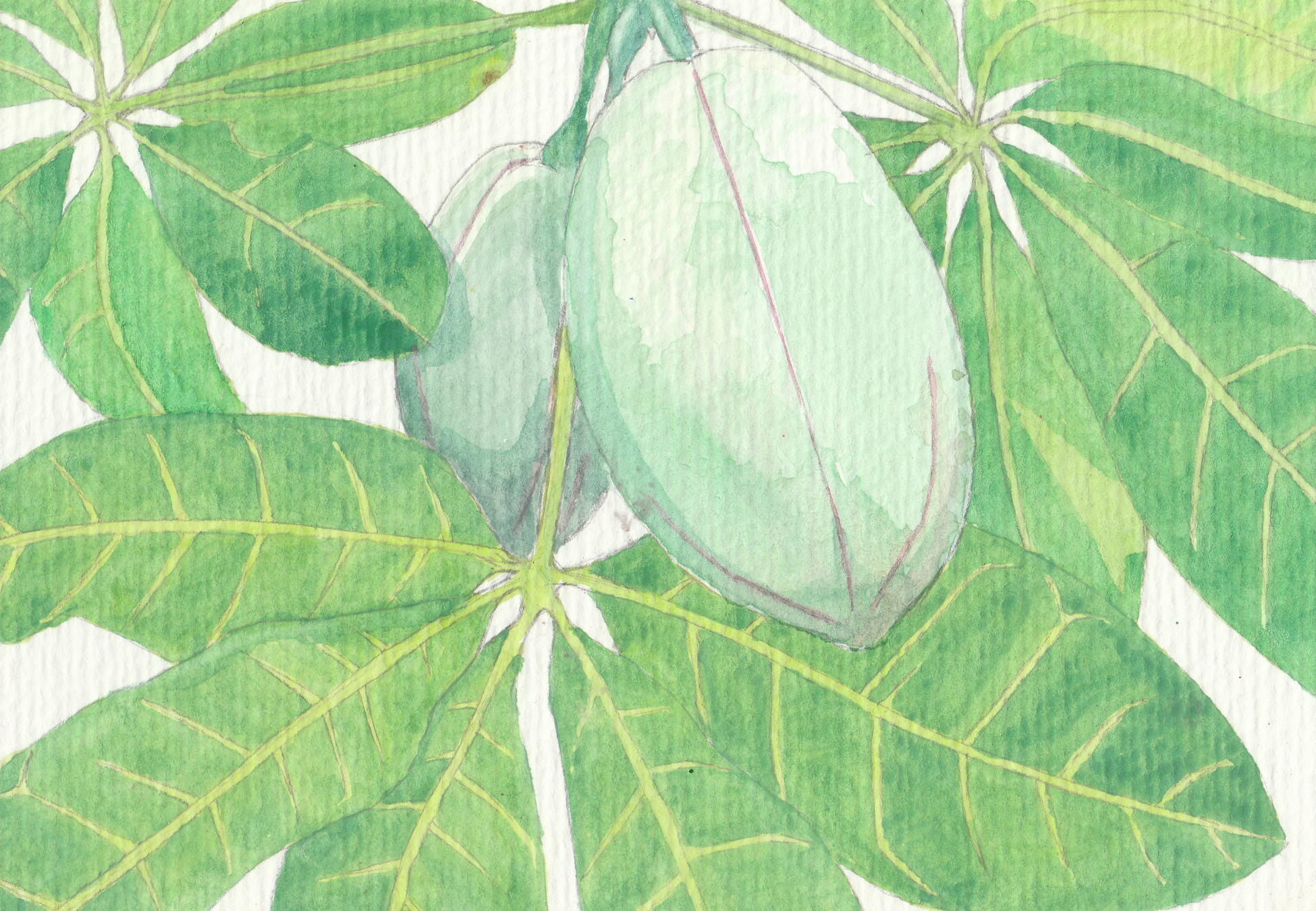
Saba nut tree
Pachira glabra
COMMON NAMES
Guinea peanut or money tree in Asia.
ORIGIN
Native to Central America, it was recently introduced to Dominica.
This tropical tree of the mallow family is prized as an ornamental and for its delicious and nutritious seeds.
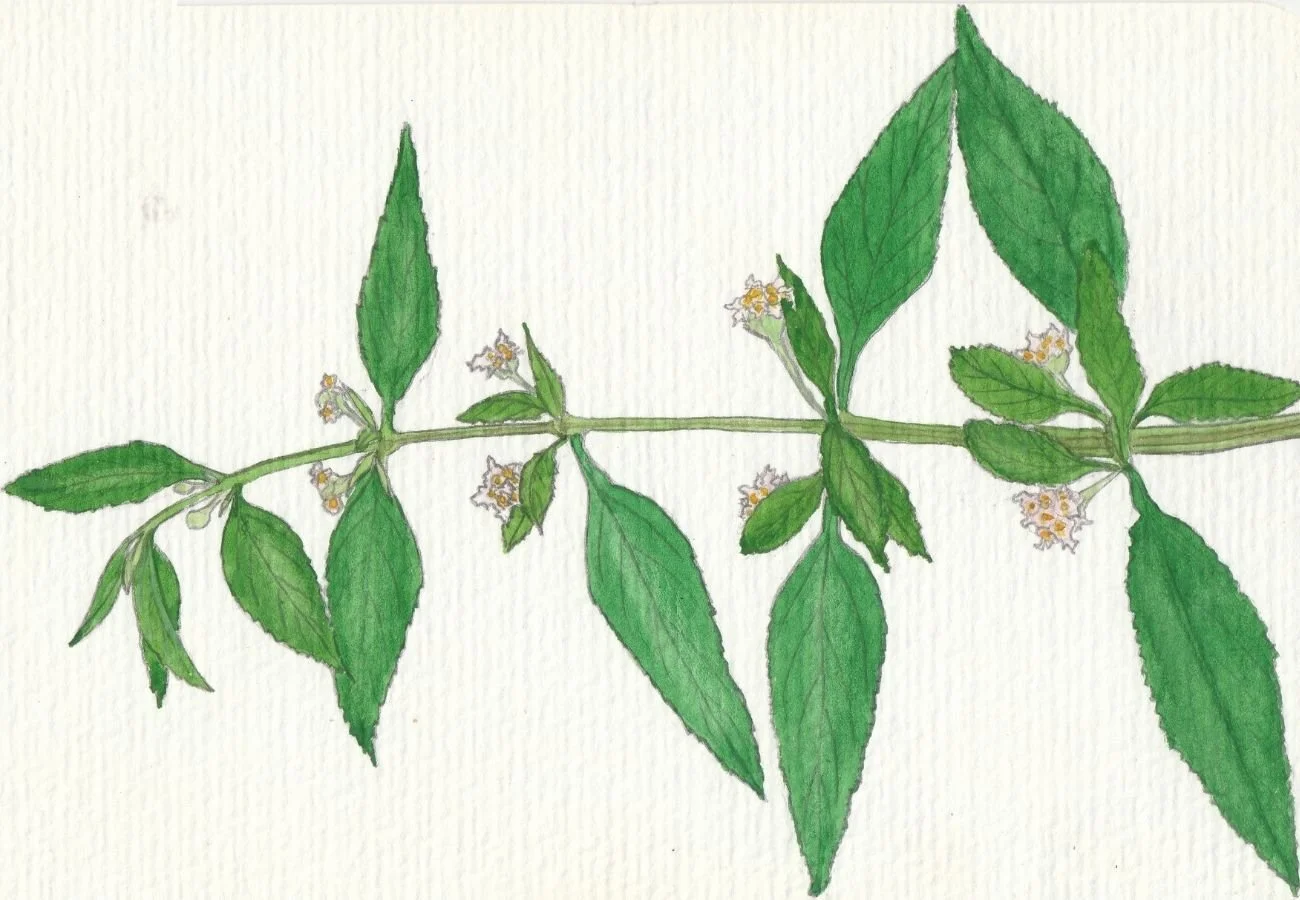
Brisée
lippia alba
COMMON NAMES
Twa tass, wild lemon balm, or brisée.
ORIGIN
Native to the Caribbean and Americas. This 1 to 2 meter shrub happily grows in tropical areas.
USES
Used as an ornamental for its beautiful flowers.
Aromatic: used as a relaxing herbal tea for its citrus/verbena flavour (or also used in Mexico to flavour mole sauces).
Traditionally used as medicine for its sedative, antidepressant, anti-inflammatory, and digestive properties.
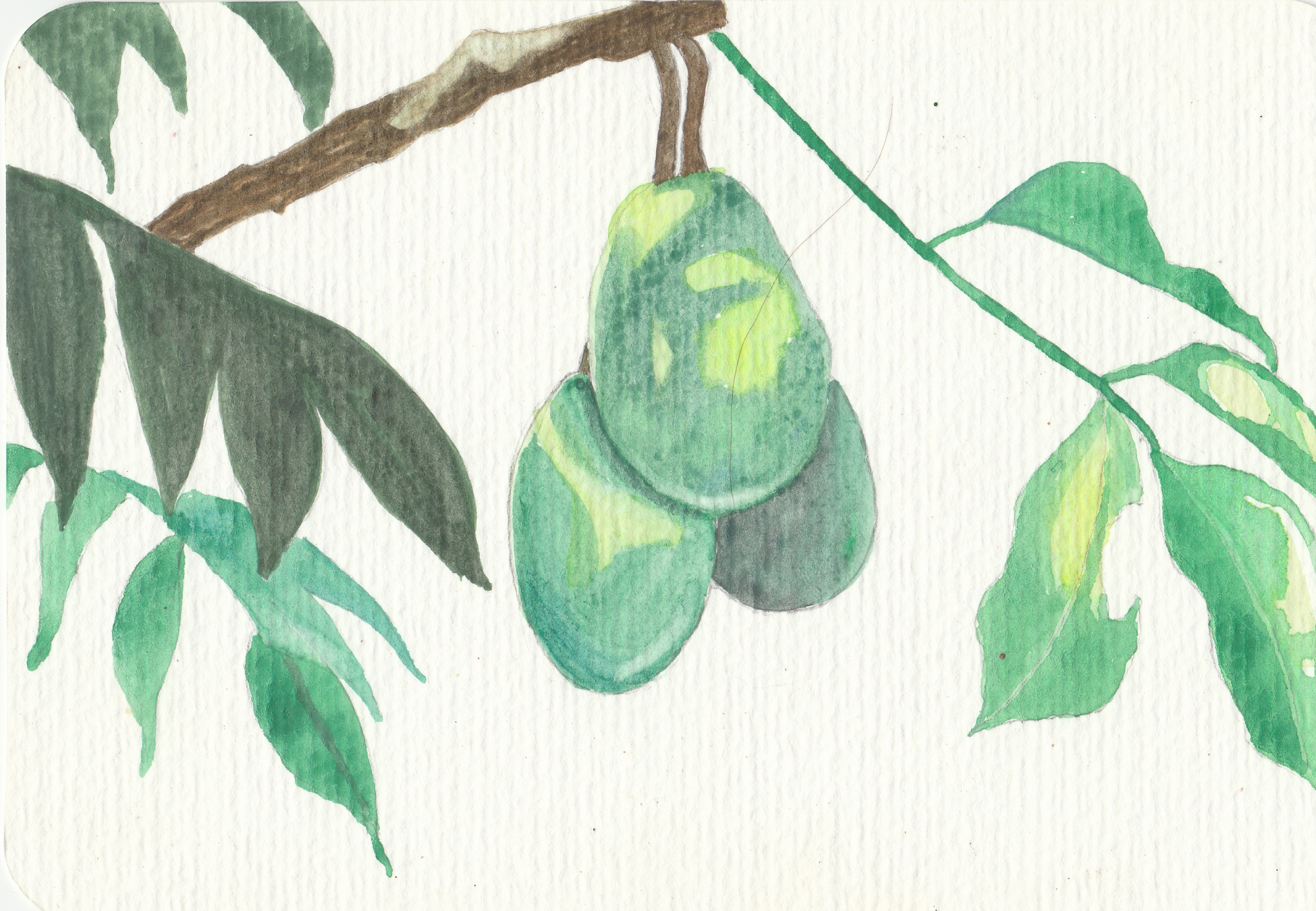
Pom Cythère
Spondias dulcis
COMMON NAMES
Cythera plum tree, or Pom site or Prin site in Creole.
ORIGIN
Native to Polynesia, it arrived in the West Indies and tropical America in the 18th century.
Tropical tree of the Anacardiaceae family.
USES
Rich in fiber, vitamins, and minerals. It aids digestion, supports the immune system, protects cardiovascular health, strengthens bones and teeth, and has anti-stress and anti-anemic properties.
The Cythera apple can be eaten raw, grated in salads, candied, made into jam, sorbet, and, more commonly, juice.
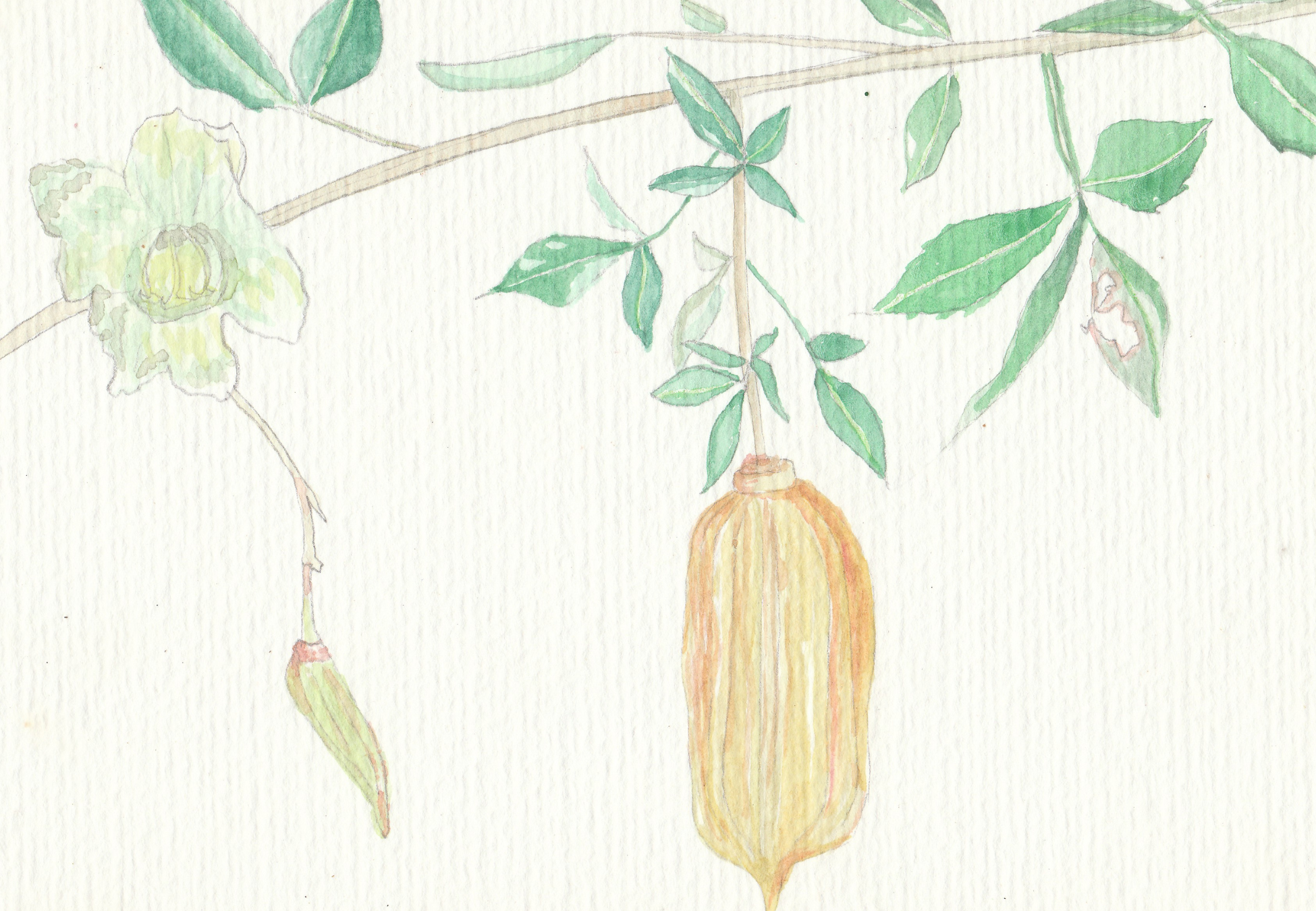
Jamaican Cane
Parmentiera edulis
COMMON NAMES
Guajilote, Jamaican cane, or cow okra.
ORIGIN
Native to Central America, its introduction to the Caribbean is not exactly known; it is still relatively unknown here.
It is a shrub of the Bignoniaceae family.
USES
The fruit is renowned for its nutritional benefits and is said to have healing properties against diabetes, colds, and inflammation.
Eaten as is.
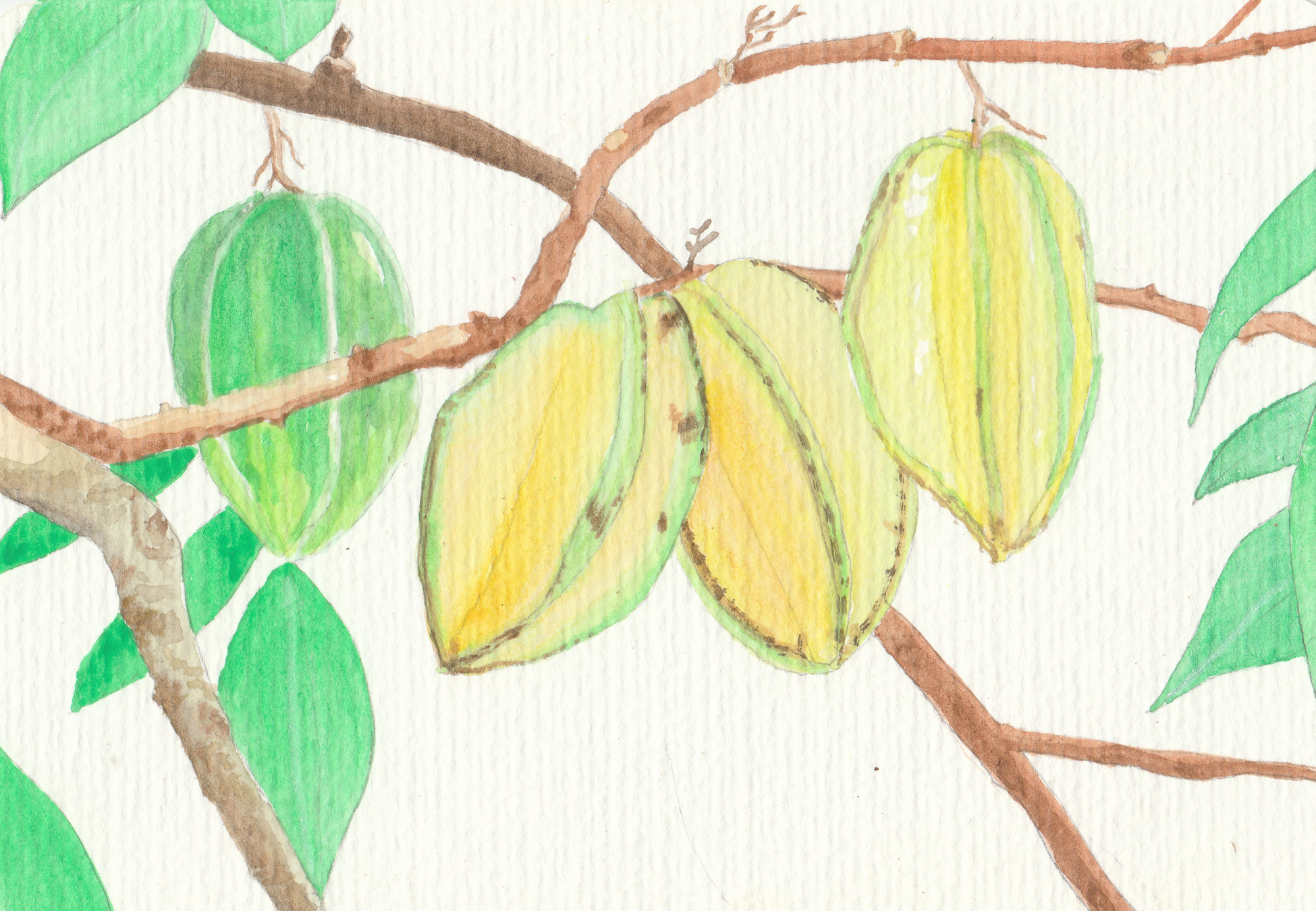
Carambola
Averrhoa carambola
COMMON NAMES
Starfruit, is a tree of the Oxalidaceae family.
ORIGIN
Native to Southeast Asia, it arrived in the Caribbean in the 18th century.
USES
The fruit is a good source of vitamins, minerals, antioxidants, and fiber, which supports the immune system, digestion, and skin health.
More or less tart depending on the variety, star fruit is used in juice, fruit salad, jam, or sauces. It is also used to decorate dishes and desserts.
CAUTION
The caramboxin contained in the fruit is toxic if consumed daily and is strongly discouraged for people with kidney failure or on dialysis.
Cashew Tree
Anacardium occidentale
COMMON NAMES
Cashew tree
ORIGIN
Native to tropical America and imported by the Portuguese in the 16th century.
The trees grow from 6 to 12 meters tall.
The fruits form at the end of the dry season. The cashew nut is surrounded by a pungent and toxic shell, itself attached to a false fruit: the cashew apple.
USES
The wood is used in carpentry and also to make charcoal. The bark, a source of tannins, can be used to make yellow dye. The oil extracted from the fruit's toxic shell can be used to produce varnishes, insecticides, or indelible ink.
In Dominica
Traditionally, the juice of the cashew apple was a popular flu remedy among the Kalinagos, while the caustic oil from the nuts treated ringworm.
CAUTION
Beware of allergies and toxic fumes when preparing cashews.
Because before you can eat them, you must first remove the toxins from their shells by burning them.
Coconut Tree
Cocos nucifera
COMMON NAMES
Pye-koko, from the Arecaceae family, is a species of palm tree.
ORIGIN
Believed to be native to Malaysia, the coconut palm was brought to the Caribbean by Spanish and Portuguese explorers in the 17th century.
USES
The coconut, rich in nutrients and minerals, is recognized for its beneficial effects on digestion, its antimicrobial and anti-fungal properties, its support for the cardiovascular system, as well as its moisturising and soothing properties for the skin and hair.
Named the tree of a hundred uses, it is used in many ways:
Coconut water and jelly are used as a beverage. The pulp can be eaten as is or processed into milk, cream, and oil. The germ is also edible. The sap produces sugar.
Copra (the pulp) is also used to make soap and monoi oil. The fiber and shell are used in crafts and landscaping (to make decorative objects, brushes, doormats, mattresses, and ropes).
The trunk is used for construction, as is the palm, once woven.
Galangal
Alpinia galanga
COMMON NAMES
E. antihystericum, long coriander, or chadwon béni and zèb a fè in Creole.
ORIGIN
Native to Southeast Asia, has recently been introduced to Dominica.
USES
A member of the Zingiberaceae family, galangal is used for its medicinal and culinary properties.
It is known for its stimulant, digestive, antispasmodic, anti-inflammatory, antibacterial, antimicrobial, and antioxidant properties.
The rhizome is eaten fresh and peeled, but also dried and powdered in herbal teas, soups, and curries.
Cacao Tree
Theobroma cacao
COMMON NAMES
Caco tree.
ORIGIN
Native to the Amazon, it was likely brought to the Antilles by endemic populations, before the arrival of the Spanish conquistadors.
The Aztecs used cacao beans as currency and also to prepare "tchocolatl." A drink similar in its processing to Dominican Caco tea, which is very popular today.
Cacao was later introduced to Europe in the 16th century, but it wasn't until the 19th century that chocolate as we know it truly appeared.
There are about a dozen varieties, commonly categorized into three groups: criollo, forastero, and trinitario (which is a hybrid of the two previous ones).
USES
Each element contained in a pod is useful:
From the mucilage, the juice can be drunk (fermented or not) or made into vinegar. Cocoa beans are used to produce caco tea, cocoa infusion, cocoa powder, cocoa butter, and, of course, chocolate.
The crushed cocoa pod makes excellent compost. It is also used by Rastas as a hair conditioner.
Cacao has been used for sacred and medicinal purposes over the millennials, and only recently for recreational purposes.
Its benefits are numerous: rich in antioxidants, minerals, vitamins, and nutrients. It contributes to muscle relaxation, reduces stress, improves blood circulation, and can help regulate blood pressure and cholesterol.
Alkaloids provide a stimulating (caffeine) but also a relaxing (theobronine) effect.
CAUTION
Depending on its origin, cocoa raises environmental issues related to the deforestation of primary forests and human issues, with workers (sometimes minors and forced laborers) too often underpaid.
Also, depending on the soil, cocoa may contain more or less heavy metals such as cadmium.
Fortunately, these issues do not apply here in Dominica.
Pineapple
Ananas comosus
ORIGIN
Native to South America, it is gradually reached the Caribbean.
Ancestrally, the Kalinago people enjoyed hanging them at the entrance to their huts as a sign of hospitality.
USES
Pineapple, in addition to being delicious, has digestive, anti-inflammatory, and anti-edema properties. This fruit also contributes to immune function and bone health.
In Dominica
It can be eaten as a fruit, as a juice, and you can also make a herbal tea from its peel.
Cherry Guava
Psidium cattleianum
COMMON NAMES
Chinese guava or strawberry guava.
ORIGIN
Native to the Caribbean and South and Central America.
A fruit-bearing shrub of the Myrtaceae family.
USES
Very rich in vitamin C, its fruits have antibacterial, antiseptic, and antimicrobial properties.
Eaten fresh or used to make juices, jams, jellies, and sorbets